How do you choose your first prime lens?
Choose a prime lens that fits your camera mount and sensor. On the same sensor, a 35 mm lens gives a wider view than a 50 mm or 85 mm lens[1]. Set your zoom to the focal length you want. Check the framing from the place where you normally take photos.
Find your answer
What to look for
- More of the room
- Start your framing check at 35 mm[1]. APS-C 35mm F1.4. $80.00. Shop at TTArtisan. Price checked 2026-11-22.
- A view between wide and tight
- Try 50 mm at your usual distance[1]. 50mm F2.0 Multi mounts. $63.00. Shop at TTArtisan. Price checked 2026-11-22.
- A tighter view
- Check the space you have with 85 mm[1]. TTARTISAN AF 85mm F1.8 Neo. $99.00. Shop at TTArtisan. Price checked 2026-11-22.
Match the camera before you compare lenses
Find the full camera model name first. A lens mount connects the camera body and lens[2]. Copy the mount name from the camera specifications. Then match the mount on the exact lens version you plan to order[2].
Read the mount and sensor coverage as separate fields. Sigma offers the 50 mm F1.4 DG DN for Sony E and L-Mount[3]. Viltrox lists a full-frame Nikon Z version of the AF 50 mm F1.4 Pro[4]. Save the exact version in your shortlist so you can check the order page against it.
Check the body pages below if you know the camera model. Open a lens entry from the page for your own camera. Then check the same lens version at the store. If you have two bodies, repeat the fit check for each body you want to use.
The rule. Write down the body model, mount, and sensor format before you make a shortlist.
Choose framing at your usual distance
A prime lens has one focal length[5]. Lens names give focal length in millimeters[6]. Read the angle of view carefully when you compare specifications. Tamron describes the diagonal angle of view across the rectangular image[1].
Start with a place where you often take photos. Use the same camera for each lens or zoom setting you compare. Stand where you expect to shoot. Compare how much space remains around the subject. Then check whether you can move farther back without losing that position.
Use a shorter focal length when you need a wider view on the same sensor[1]. Check sensor size again if you expect to change camera bodies[6]. Look at the edges of the frame as well as the subject. A group photo and a tight portrait can require different framing from the same place.
The catalog lists 10 primes at 35 mm, 13 at 50 mm, and 5 at 85 mm with stated maximum apertures. Use the counts to see where the catalog has more options. Use your camera fit and framing to choose among them.
| Focal length | Framing check | Catalog entries |
|---|---|---|
| 35 mm | Check whether you can keep the whole group in view. | 10 [1] |
| 50 mm | Check how much background stays in the frame. | 13 [1] |
| 85 mm | Check whether you can step back for the framing you need. | 5 [1] |
The rule. Choose the focal length that gives you enough room around the subject from your usual position.
Choose an aperture you can use
The f-number comes from focal length divided by effective aperture diameter[7]. At the same focal length, f/1.4 indicates a larger effective aperture than f/1.8[7]. A smaller f-number also gives a shallower depth of field when the other settings and distances stay the same[7].
Choose the part of the subject you need in focus. For a portrait, check the eyes in the frame. For a group, check the people at different distances from the camera. Compare the result at the aperture you expect to use. A maximum aperture gives you a choice you can compare with smaller openings.
In aperture priority mode, you can set the aperture and let the camera set shutter speed[8]. Check the shutter speed the camera selects before you take the photo. Repeat the check in the light you expect to use. Look at focus on the subject when you review the frames.
The rule. Compare the aperture you plan to use and check the shutter speed in the light you expect.
Check weight, filters, and close focus
Prime lenses come in different sizes and weights[5]. Use the weight for the correct mount version. Sigma gives different weights for the Sony E and L-Mount versions of its 50 mm F1.4 DG DN[3][3]. Compare the full kit if you will carry a spare lens or use a support.
Read the filter thread before you reuse a filter. Viltrox lists a 58 mm thread for the Sony E AF 35 mm F1.8 EVO[9]. Check the size marked on your filter. Use the rig builder to find the matching size before you add both items to your bag.
Use minimum focus distance if you need small subjects in the frame. TTArtisan lists 0.48 m for its AF 50 mm F1.8 Neo[10]. Compare your normal shooting distance with the specification. Make a separate framing check for a small subject before you choose a lens for that job.
| Lens version | Specification | Stated value |
|---|---|---|
| Sigma 50 mm F1.4 DG DN for Sony E | Weight | 660 g [3] |
| Sigma 50 mm F1.4 DG DN for L-Mount | Weight | 670 g [3] |
| Viltrox AF 35 mm F1.8 EVO for Sony E | Filter thread | 58 mm [9] |
| TTArtisan AF 50 mm F1.8 Neo | Minimum focus distance | 0.48 m [10] |
The rule. Check the weight, filter thread, and focus distance on the mount version you intend to buy.
Use your zoom to decide if a prime fits the job
A zoom changes the view while the camera stays in place[1]. A prime asks you to change your distance when you want the subject larger or smaller in the frame[8]. Decide how often you can move at the place where you take photos.
Use your recent photos to choose a focal length to try. Pick frames that you would want to make again. Check the focal length saved with each frame. Compare photos from the same camera first. Then set your zoom to a focal length from those photos and leave the zoom there for a short session.
Review the photos you took and note the frames you missed. If the lens choice works in your busiest shooting space, keep it on your shortlist. If you had to change focal length as subjects moved, keep the zoom available for that part of the session.
The rule. Buy a prime when you can use one focal length for the photos you want to make.
Shop by gear or camera
Store picks
35 mm primes
Use the body and mount information to check fit for your camera.
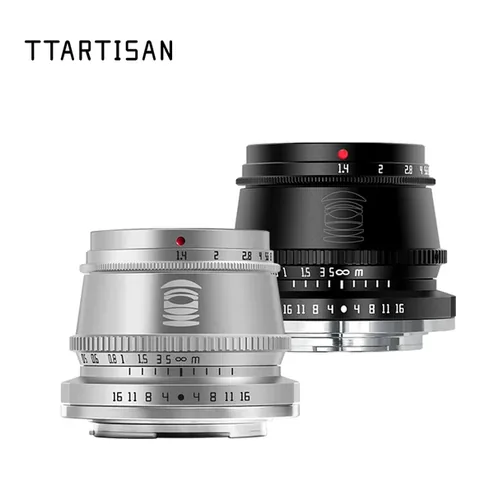
APS-C 35mm F1.4
35 mm / f/1.4
Compare this focal length with the framing you use on your zoom.
$80.00Price checked 2026-11-22.
Shop at TTArtisan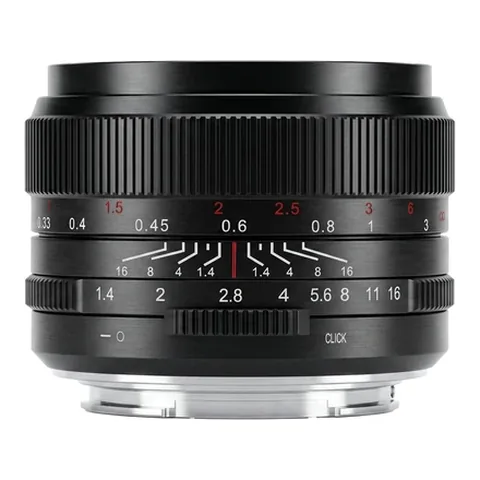
MF 35mm f/1.4 Ⅲ Full-frame lens for E/EOS-R/Z/L
35 mm / f/1.4
Compare this focal length with the framing you use on your zoom.
$151.20Price checked 2026-11-22.
Shop at 7Artisans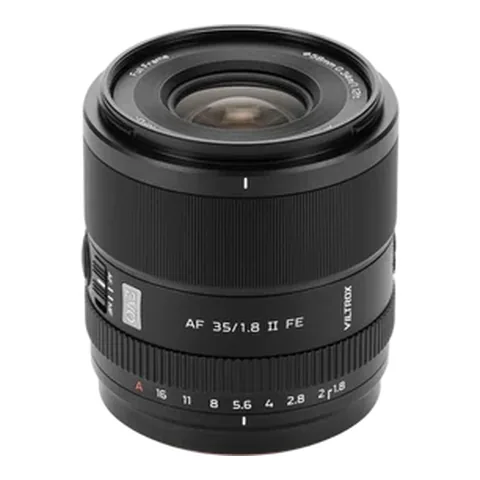
Viltrox AF 35mm F1.8 EVO Full- Frame Lens for Sony E-Mount
35 mm / f/1.8
Compare this focal length with the framing you use on your zoom.
$316.00Price checked 2026-11-22.
Shop at ViltroxHow we pick. Choose 35 mm primes with a stated aperture of f/2 or wider. Sort by lowest recorded price, then product ID.
50 mm primes
Use the body and mount information to check fit for your camera.
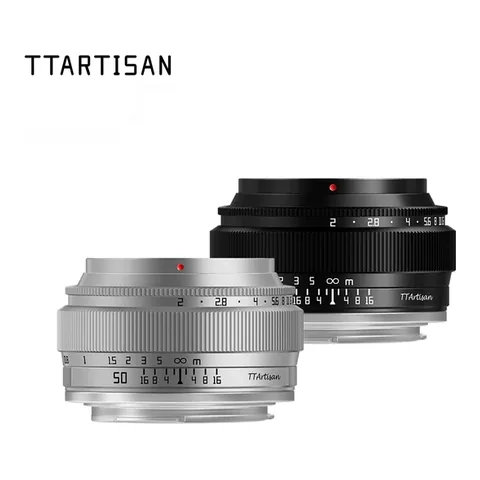
50mm F2.0 Multi mounts
50 mm / f/2
Compare this focal length with the framing you use on your zoom.
$63.00Price checked 2026-11-22.
Shop at TTArtisan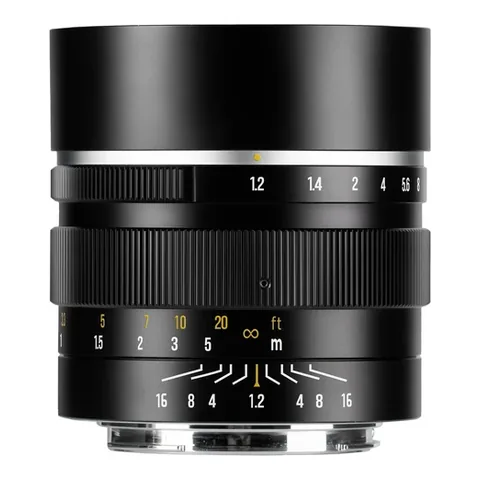
MF 50mm f/1.2 APS-C Lens for Sony E/Fuji X/Nikon Z/Panasonic/Olympus M43
50 mm / f/1.2
Compare this focal length with the framing you use on your zoom.
$74.25Price checked 2026-11-22.
Shop at 7Artisans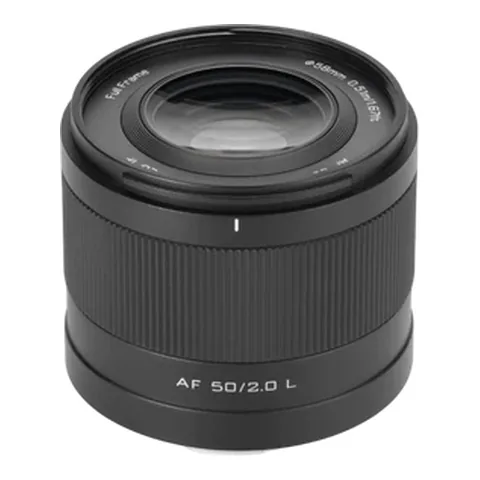
Viltrox AF 50mm F2.0 Air Full-Frame Lens for Leica L-Mount
50 mm / f/2
Compare this focal length with the framing you use on your zoom.
$159.20Price checked 2026-11-22.
Shop at ViltroxHow we pick. Choose 50 mm primes with a stated aperture of f/2 or wider. Sort by lowest recorded price, then product ID.
85 mm primes
Use the body and mount information to check fit for your camera.
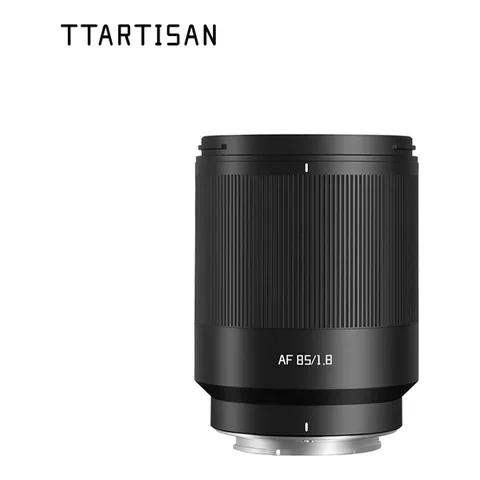
TTARTISAN AF 85mm F1.8 Neo
85 mm / f/1.8
Compare this focal length with the framing you use on your zoom.
$99.00Price checked 2026-11-22.
Shop at TTArtisan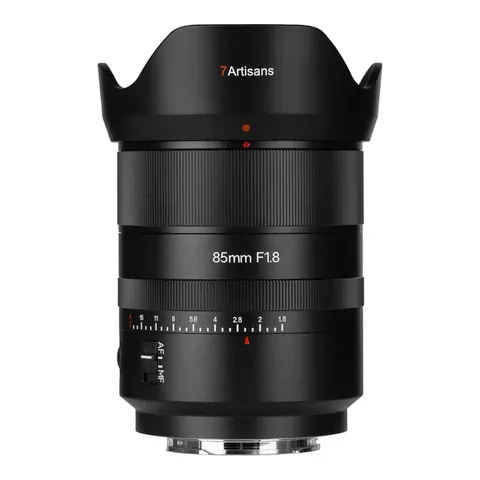
AF 85mm F1.8 Full-frame Lens for E
85 mm / f/1.8
Compare this focal length with the framing you use on your zoom.
$209.30Price checked 2026-11-22.
Shop at 7Artisans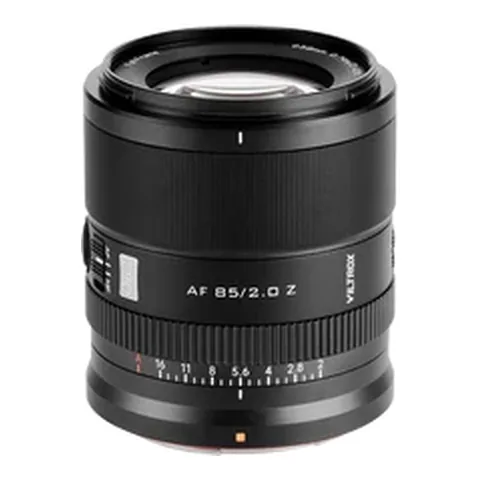
Viltrox AF 85mm F2.0 EVO Full- Frame Lens for Nikon Z-Mount
85 mm / f/2
Compare this focal length with the framing you use on your zoom.
$220.00Price checked 2026-11-22.
Shop at ViltroxHow we pick. Choose 85 mm primes with a stated aperture of f/2 or wider. Sort by lowest recorded price, then product ID.
Creator videos

Common mistakes
- Ordering by brand alone. Check the mount on the product version in your cart[2].
- Choosing a focal length from a photo made on a different sensor. Check the sensor format first[6].
- Planning a tight frame in a room with little space. Check the view from your real position before you order[1].
- Assuming that one weight applies to every mount. Compare the two stated Sigma weights if those versions are on your list[3][3].
- Choosing the widest aperture for every photo. Select an aperture that keeps the parts you need in focus[7].
Questions buyers ask
How does a prime lens differ from a zoom lens?
A prime lens has a fixed focal length[5]. A zoom lens changes the view from the same camera position[1]. Use a zoom when you need to change framing from a fixed spot. Try a prime when you can choose one view for the session.
Which prime lens should I buy first?
Start with a focal length you already use. Check the full camera model and lens mount before you order[2]. Set your zoom to that focal length. Take photos in the space where you use the camera most. Keep the focal length if it gives you the framing you need.
Why would I use a prime lens instead of a zoom lens?
Use a prime when you want to work with a fixed view and can move to frame a subject[8]. Check the exact prime's maximum aperture, weight, and focus distance. Compare those specifications with the zoom you already carry. Buy only if the prime solves a need you can name.
Should I buy a prime lens or keep my kit lens?
Keep the kit lens if you use several focal lengths on the same shoot. If the kit lens zooms, set it to one focal length for a practice session[1]. Mark the shots you can frame from your usual position. Use that focal length to narrow the list of primes[5].
Sources
- Tamron. What is angle of view?. Read 2026-11-19.
- Tamron. Basic knowledge about lens types and how to choose a lens. Read 2026-11-19.
- Sigma. 50mm F1.4 DG DN. Read 2026-11-19.
- Viltrox. Viltrox AF 50mm F1.4 Pro Full-Frame Lens for Nikon Z-Mount. Read 2026-11-19.
- Tamron. What is a prime lens?. Read 2026-11-19.
- Tamron. What is focal length?. Read 2026-11-19.
- Tamron. What is F-number (aperture)?. Read 2026-11-19.
- Tamron. The Basics of Interchangeable Lens Cameras. Read 2026-11-19.
- Viltrox. Viltrox AF 35mm F1.8 EVO Full- Frame Lens for Sony E-Mount. Read 2026-11-19.
- TTArtisan. TTARTISAN AF 50mm F1.8 Neo. Read 2026-11-19.
Cite this guide. FastPrimes. How do you choose your first prime lens? https://fastprimes.com/guides/how-to-choose-a-prime-lens.html. Updated 2026-11-22.